


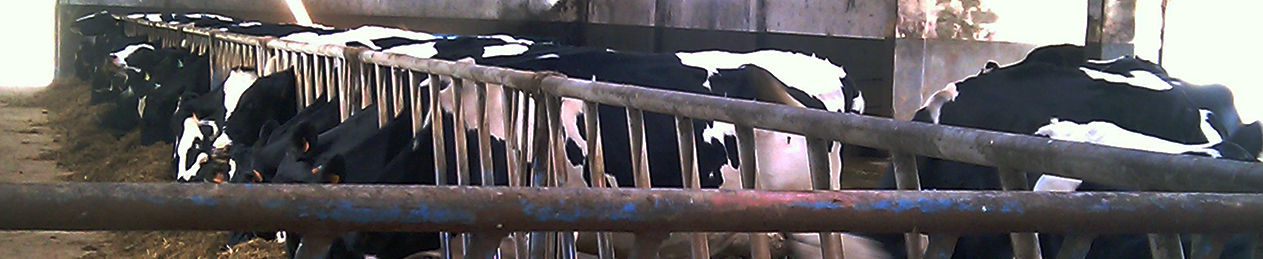


Na Suécia um produtor para escapar ao aumento da produção e consequente armazenamento de lacticínios, decidiu dedicar-se à produção de aveia. Com a ajuda de uma companhia de bebidas, criou a sua bebida de aveia. Contudo, a maior parte da produção ainda é para consumo animal, da sua quinta biológica e não só. O objetivo de Arnesson é produzir diretamente o cereal para o consumo humano e não para o consumo animal destinado à produção de carne e lacticínios e, por conseguinte, reduzir a pegada ecológica. Os animais de leite e de carne e a industria a a eles associada produz 14.5% dos gases que causam o efeito estufa.
Instead, Arnesson wants to grow more protein crops, such as oats, and sell them for human consumption rather than for feeding to livestock to produce meat and dairy.
The rearing of livestock and meat consumption accounts for 14.5% of global greenhouse gas (GHG) emissions. Alongside carbon emissions from deforestation (for pasture or crops to feed animals), the livestock sector is also the single biggest human-related source of methane (from cattle) and nitrous oxide emissions (from fertiliser and manure), two particularly potent greenhouse gases.
On current trends, by 2050 we will be growing more crops to feed directly to animals than ourselves. Even small shifts to feeding crops to humans instead of livestock would lead to significant increases in food availability.
One company promoting itself heavily on the back of its claim to be tackling this issue has been Oatly. It has been causing controversy – and has even been the target of legal action from a Swedish dairy trade group – with its outspoken attacks on the dairy sector and its related climate emissions.
Ditch the cows, drink oat milk and save the planet, has been the gist of its marketing messaging, which has included a promotional video of CEO Toni Petersson singing “Wow, no cow’ in a field of oats.
Petersson says the company is just “telling people what the science tells us about the need to consume more plant-based foods”.

Preços 1 Abril de 2025
Gasóleo Normal – 1.489 €
Gasóleo Agrícola – 1.118 €
Gasolina S/Chumbo 95 – 1.580 €


 Clique aqui para aceder